
GA6: Defining Legal Responsibility for Returning Jihadists
By Somya Jain
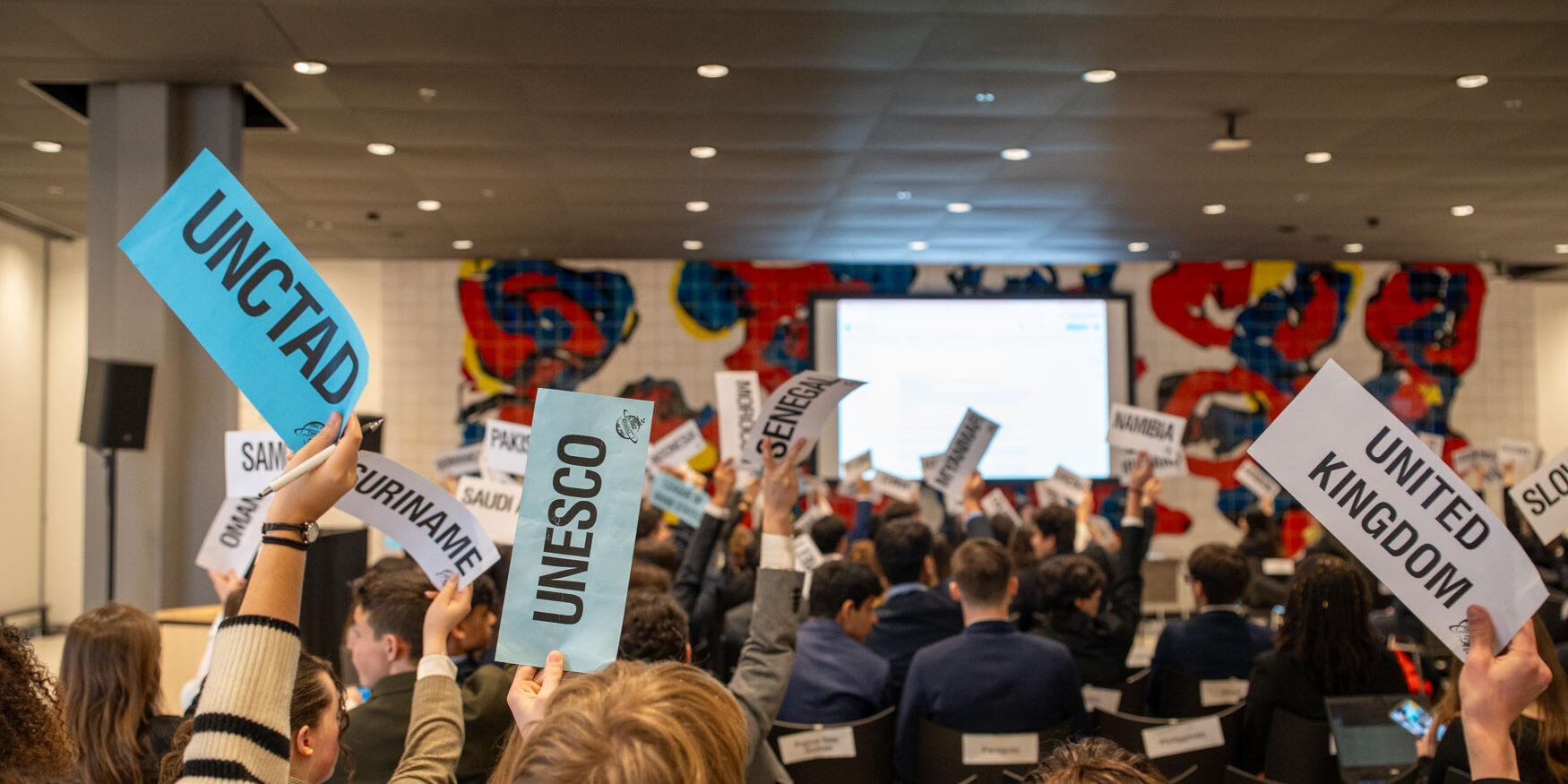
Amidst the bustling chambers of the Forum of GA6, the Legal Committee, delegates engaged in a careful examination of Issue 1: the legal status of returning jihadists and their families. As conflicts in regions affected by extremist groups continue to subside, states are increasingly confronted with individuals seeking asylum or return. The issue sits at the junction of international law, national security, and human rights, making it one of the more sensitive items on the General Assembly’s agenda.
Debate centered on the absence of a unified legal framework governing the treatment of returning foreign fighters and their dependents. Delegates referenced the 1951 Convention Relating to the Status of Refugees and its 1967 Protocol to assess whether individuals associated with extremist organizations could qualify for refugee protection and under what conditions exclusion clauses should apply. Particular attention was paid to the legal distinction between combatants, affiliates, and family members, especially women and children, whose status remains legally ambiguous in many jurisdictions.


A key proposal discussed in committee was the Jihadist Asylum and Reintegration Protocol, commonly referred to as JARP. The protocol aims to establish clear legal guidelines for screening, prosecution, rehabilitation, and monitored reintegration of returnees. Supporters argued that a standardized framework would reduce arbitrary detention, prevent statelessness, and strengthen accountability through lawful processes rather than ad hoc national responses. Proponents further highlighted the role of judicial oversight and international cooperation in ensuring transparency and consistency across states. By prioritising due process alongside security measures, JARP was presented as a mechanism to address both legal responsibility and long term reintegration.
Throughout the session, delegates stressed the importance of balancing state sovereignty with international obligations. While security concerns remained central to discussions, GA6 repeatedly emphasized that long-term stability depends on rule-of-law mechanisms rather than indefinite detention or denial of legal status. As negotiations progressed, the committee reflected its role as the legal backbone of the United Nations, tasked with transforming politically charged issues into structured, enforceable legal solutions.