
Decades of experience in 5 minutes: Dr Nigel Crawhall on Culture and Heritage
By Aksel Castel-branco
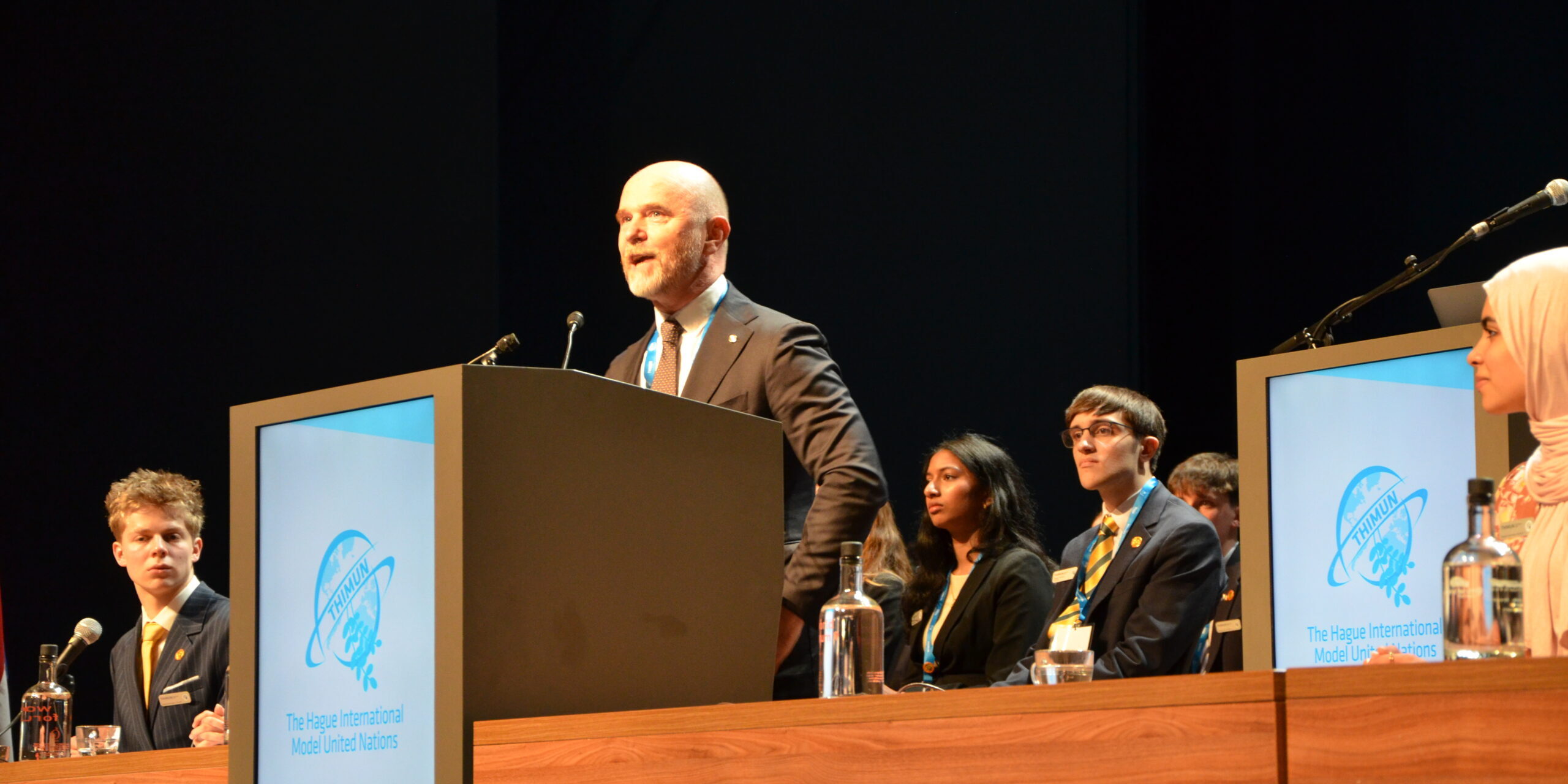
The opening ceremony of the THIMUN 2026 conference had the honour of hosting distinguished guest speaker Dr. Nigel Crawhall, who imparted to the full auditorium, brimming with over 3,000 avid listeners, his knowledge and multiple decades of experience on the topic of culture and heritage.
Dr. Crawhall, who holds a doctorate in sociolinguistics from the University of Cape Town, the South African city where he worked for 17 years as Director of Secretariat for the Indigenous Peoples of Africa Coordinating Committee (IPACC) is currently the Chief of Section for Local and Indigenous Knowledge Systems (LINKS) at UNESCO.
Dr. Crawhall’s extensive work on economic, natural and cultural landscapes has contributed to multiple intergovernmental organizations’ efforts to preserve cultural heritage worldwide. When asked about the initiatives led by UNESCO to preserve cultural heritage, he commented: “UNESCO works closely with the Convention on Biological Diversity (CBD). […] but now, they’re putting a lot more attention to the relationship between space, conservation and language and culture.”
He stressed the importance of preserving the 7,000 languages spoken today, comparing the loss of linguistic diversity to the “obliteration of human memory and knowledge,” then reiterating that “we need that knowledge to achieve sustainability. The dominant paradigms are not producing sustainability; in fact, they’re producing the opposite.” He presented an interesting perspective on the value of each language, comparing them to “seven thousand different ways to appreciate the oceans, deserts, mountains, forests, coastlines,” highlighting the ties of language to the geography from which it originated.
“Seven thousand different ways to appreciate the oceans, deserts, mountains, forests, coastlines”
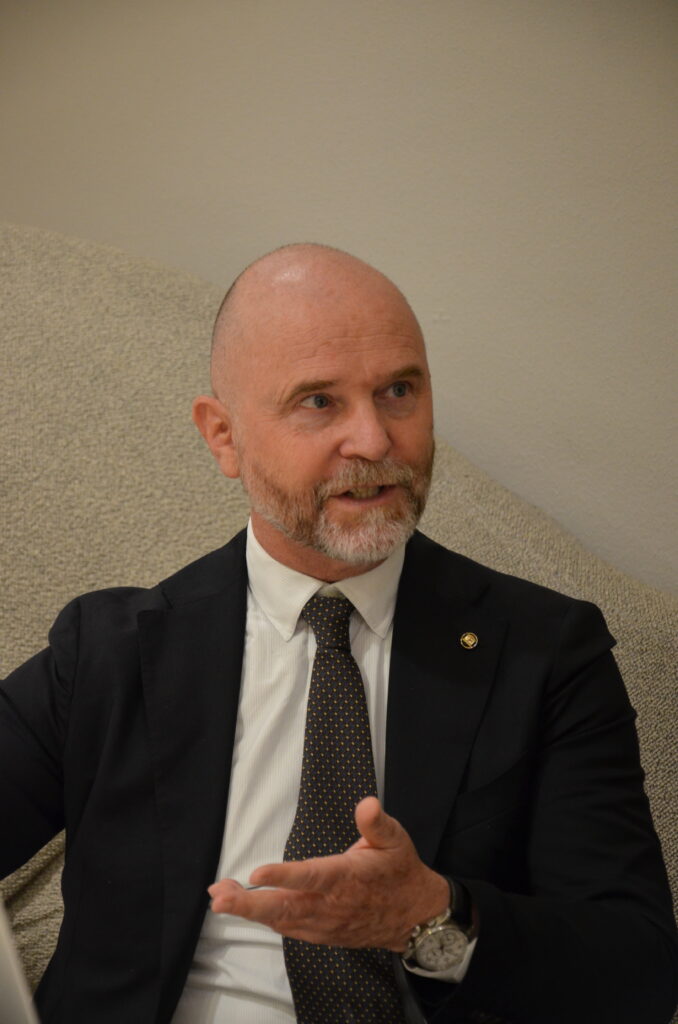
Furthermore, he elaborated on several startling experiences about the degradation of gender equality as a result of dissociation from cultures. Although stereotypical Western depictions of indigenous societies usually involve men earning status through physical prowess and hunting, Dr. Crawhall shared that a community in the southern Kalahari Desert that recently experienced a surge of gender based violence had a surprising revelation: “when the women started working with the elders […] they realised that those indigenous women were hunters, they were knowledge holders. They were highly respected in their community. And so that was one big awakening; gender roles had actually gotten worse, not better.”
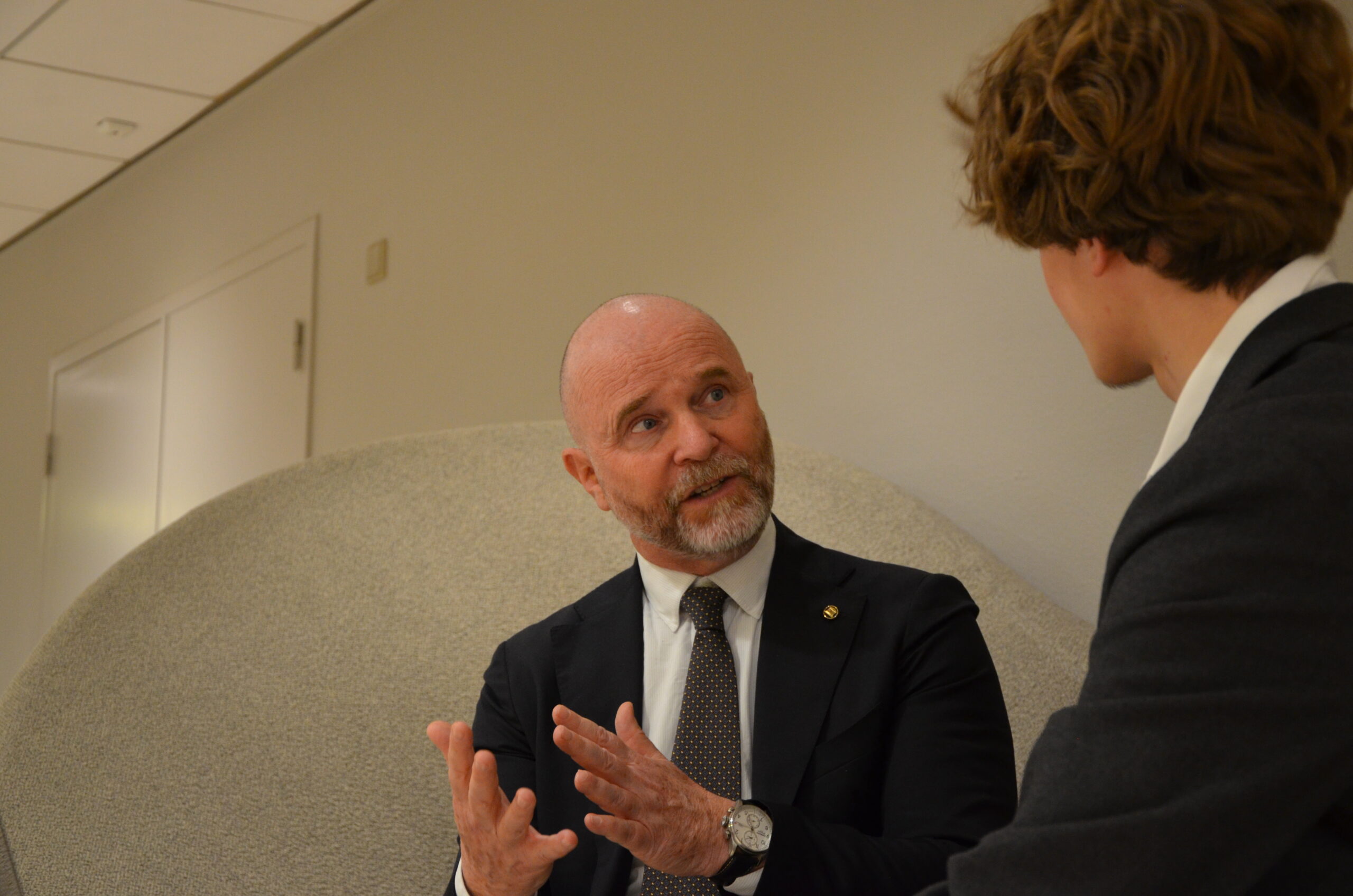
Despite the continuing degradation of cultures worldwide, Dr. Crawhall remained optimistic throughout our conversations, reaffirming that “even though the economy is changing, even though people’s aspirations are changing, it’s still possible to have that dialogue between generations, so that the new generation takes the best of their own culture, […] they have new technologies and they can reinvent and reapply their knowledge in new ways” and fully supporting “a positive process of regrowth.”
All in all, Dr. Crawhall brought much appreciated expertise to the THIMUN 2026 conference, enriching thousands of minds with his in-depth knowledge and firsthand experience in shining a spotlight on the complexities of indigenous cultures.