
Ukraine’s Ambassador at NATO
By Mariya Dembytska
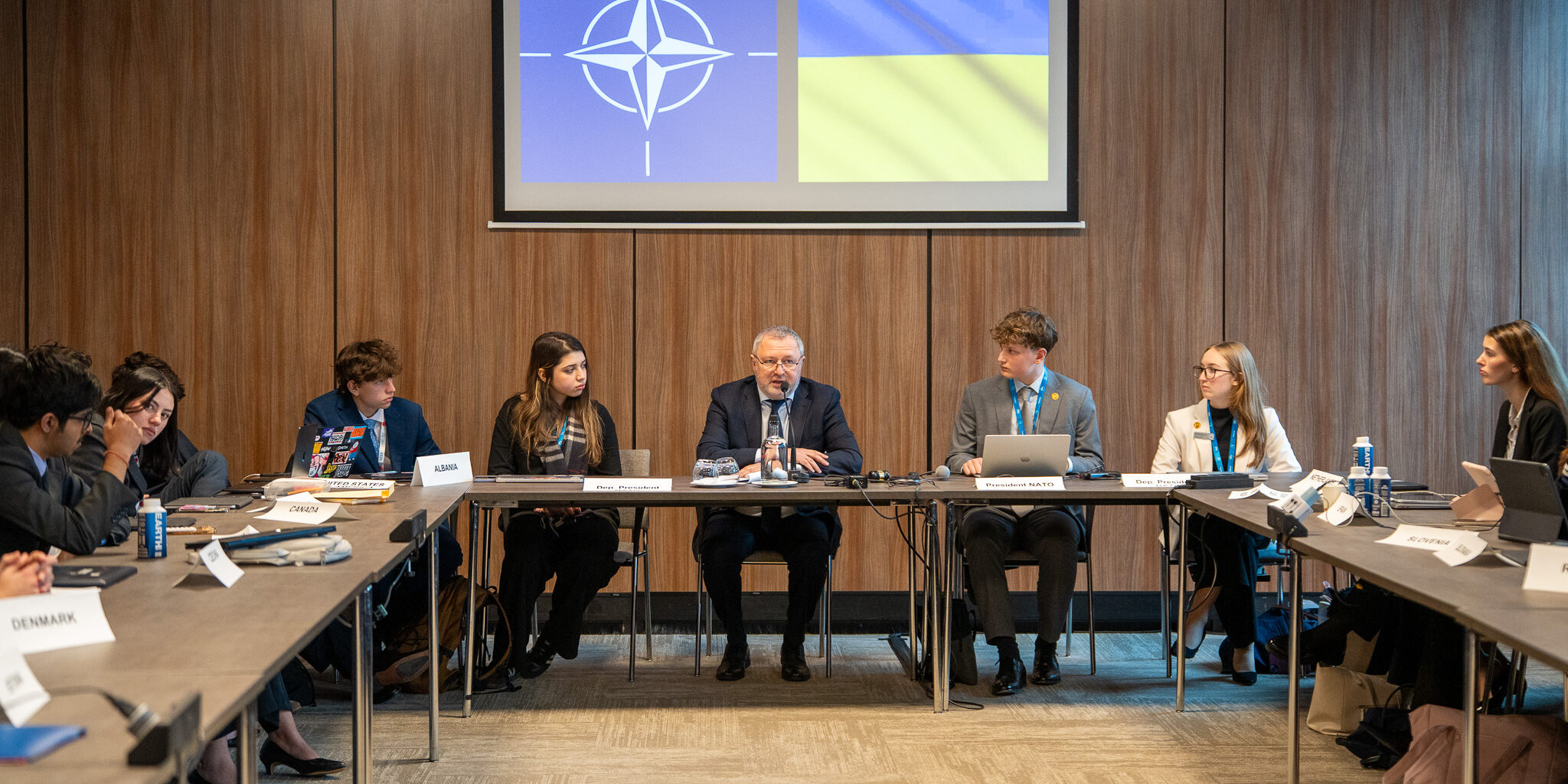
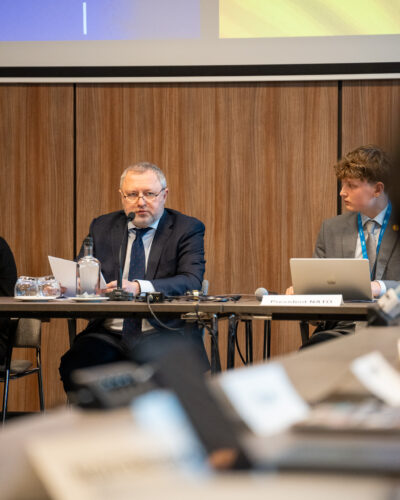
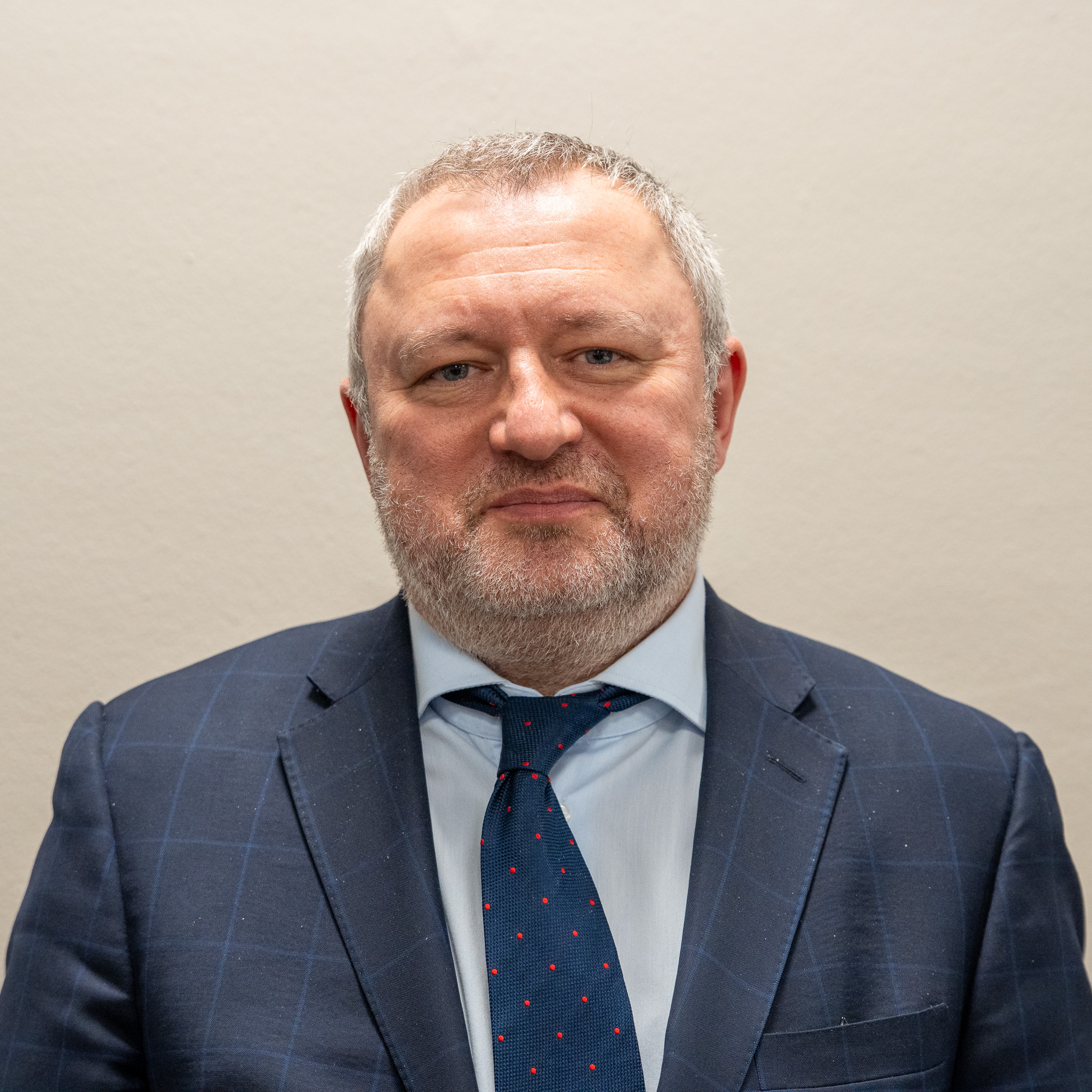
This Wednesday, the NATO committee invited a keynote speaker, the Ambassador of Ukraine, Mr. Andriy Kostin. He stepped into the room to discuss the role of NATO in global conflicts. He highlighted the importance of the organization and the methods it uses to remain effective during times of crisis. Focusing on the situation in Ukraine, Mr. Kostin emphasized that NATO’s unity and deterrence have been key to Ukraine’s sovereignty. He stressed that crimes of aggression need to be fought and that the way Ukraine is currently fighting them matters for the whole world.
His powerful words left the young delegates with a sharper sense of urgency and responsibility, reminding them that diplomacy is not just a debate but a tool for shaping outcomes and lives.
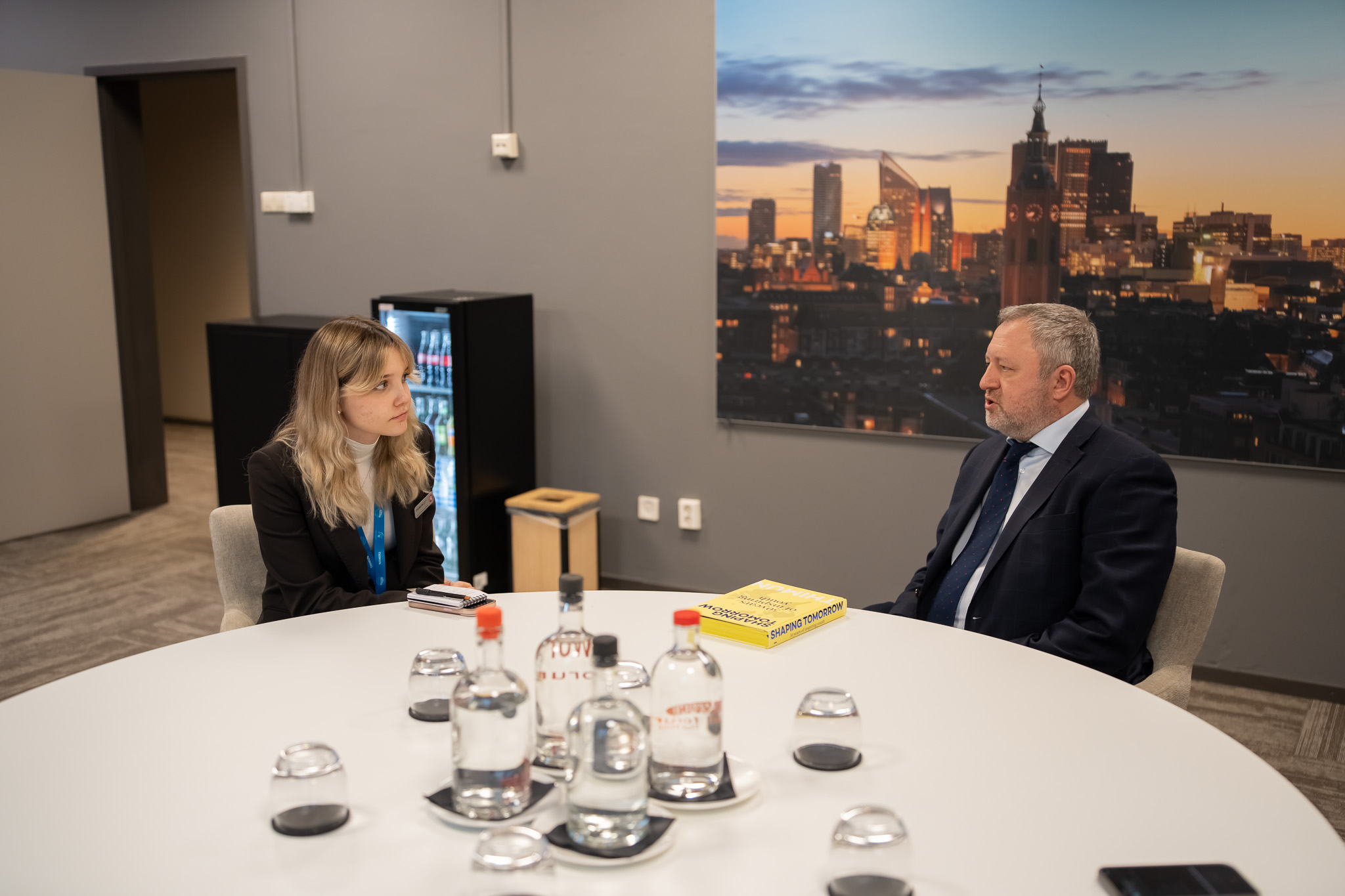
The press team had the honour of inviting Mr. Kostin for a brief interview to learn more about his duties and hear his perspective on how diplomacy functions during wartime both inside international institutions and in everyday advocacy.
Q:”What was your motivation to become the Ambassador of Ukraine in the Netherlands and which steps did you take to achieve this role?”
It’s a procedure, and it’s quite straightforward the Minister of Foreign Affairs and the President decide on candidates. It was natural that I was posted here in the Netherlands, because part of my work is, of course, to maintain this track with existing institutions such as the International Court of Justice and others. At the same time, we create new mechanisms, such as the international compensation mechanism for war damages. The first phase, the register of damage, is already working; in December, an agreement was signed in The Hague by 35 states.
Q: “How do the United Nations and institutions within it remain effective during prolonged conflicts like the war in Ukraine?”
Currently, the UN is more effective in humanitarian assistance than in preventing wars. We are grateful for the humanitarian support, as many UN institutions are working in Ukraine the UN Commission of Inquiry, UN human-rights bodies, UN Women and the special representative on Sexual Violence in Conflict are providing assistance. We could expect more in areas such as protecting children in war and addressing the issue of civilians illegally detained by Russia. The international system lacks sufficient mechanisms to ensure that countries violating the UN Charter step back. This shows that the UN needs improvement.
Q: “What role do Ukrainian youth play in guaranteeing future safety and security, both for Ukraine and internationally?”
Our youth is incredibly brave. We recently saw children who lost limbs in the war publicly sharing their stories. You have to be extraordinarily strong to survive such trauma and then speak openly about it. The simplest and most powerful contribution young Ukrainians can make is telling the truth: what happened to them, what happened to their families and why Ukraine needs support. In a war of this scale, it is practically impossible to survive alone, international engagement is essential.
Education is also critical. Young people must continue studying, in Ukraine and abroad, because they will build the country’s future. For Ukrainians abroad, it is important to preserve and show Ukrainian identity. Public attention fades quickly. Social media plays a big role; sharing verified information from official sources helps keep awareness alive.
Q: “Finally, what advice would you give the students at THIMUN who want to pursue a future in diplomacy?”
First, never ignore history. Many modern processes repeat patterns from the past. Lessons learned from wars and conflicts disappear after a few generations and people start to believe that values like freedom, democracy and the rule of law are permanent, they are not. We must protect them with real action. It is also important to approach history from different perspectives.
Second, stay informed. Headlines are not enough for diplomats. You must go deep into the details, compare sources and search for the truth.
Third, diplomacy requires leadership. The modern world demands initiative and the ability to engage others and inspire them to follow you. It is also essential to remain human; diplomacy is not an elite club disconnected from society, so you must stay grounded. Dialogue is also key, diplomats must move beyond argument into dialogue and understand the interests behind each side’s words.
Finally: stress resistance. Diplomacy is extremely demanding and the same people often handle multiple crises simultaneously.”
We thank Mr. Andriy Kostin for his time, openness and depth of discussion. His remarks reminded delegates that diplomacy is not only about negotiation but also about persistence and collaboration.