
Kosovan Ambassador visit To HSC
By Ben Ferguson
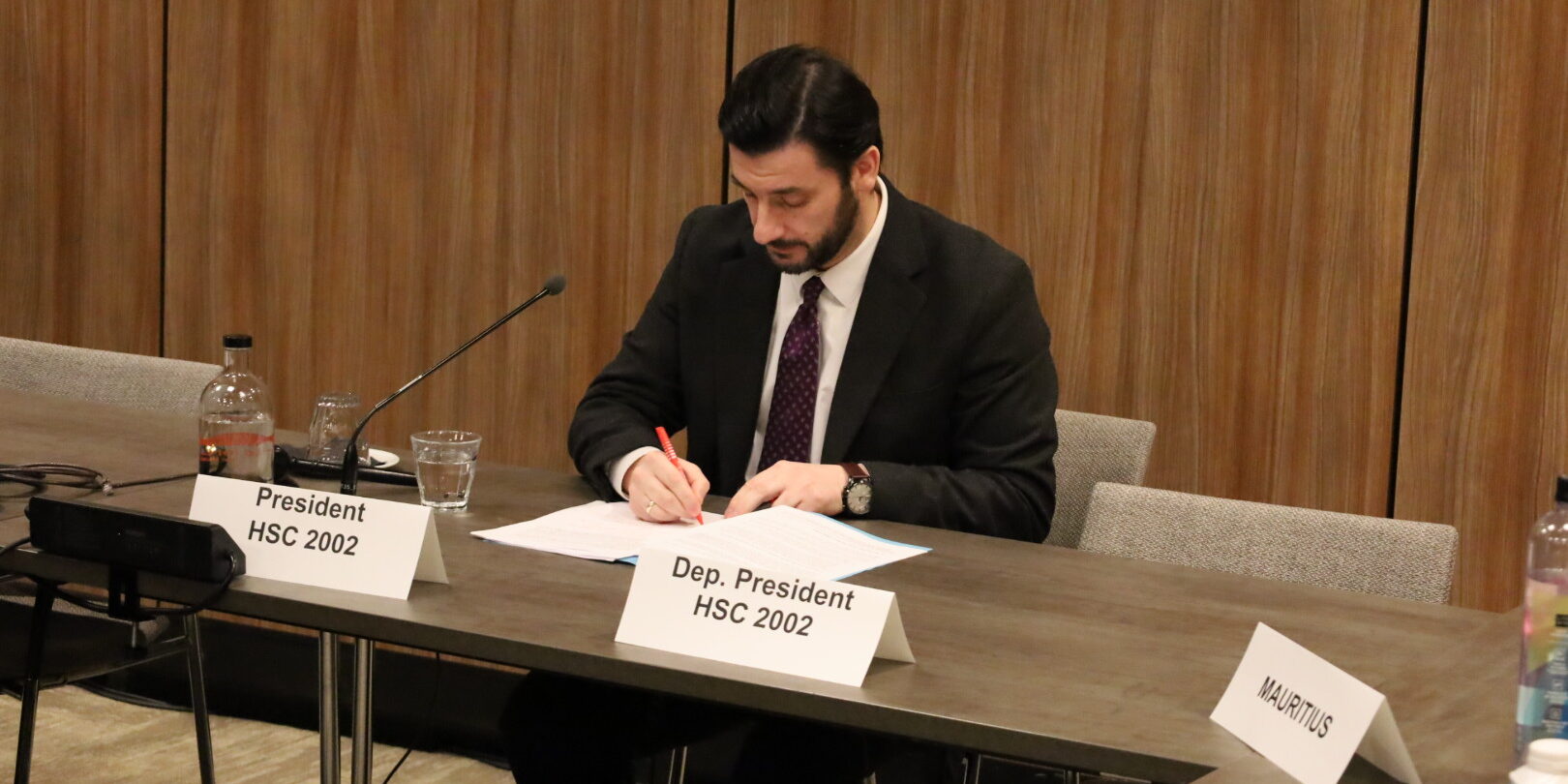
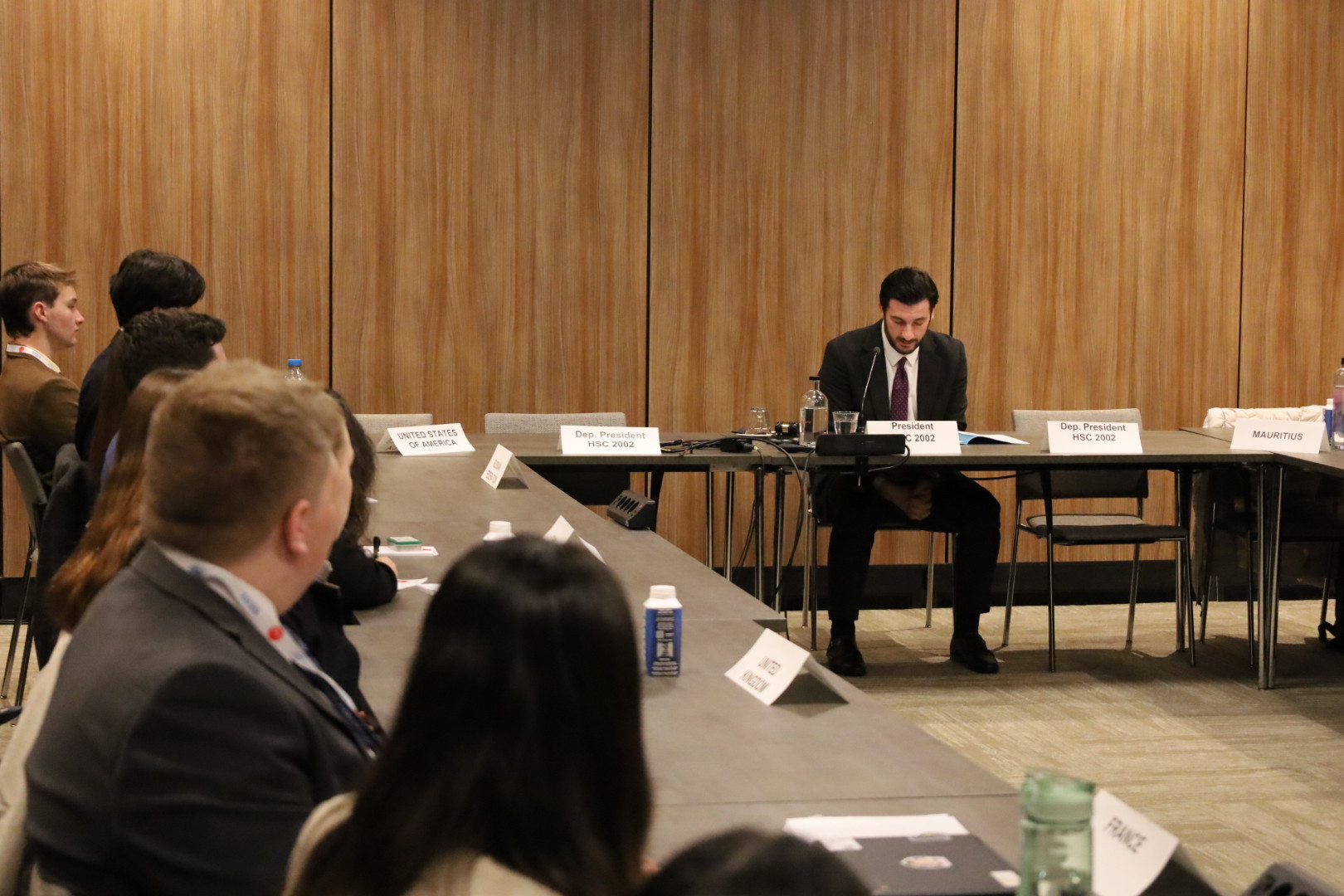
The delegates of the Historical Security Council (HSC) received an engaging visit from Dr. Dren Doli, Kosovo’s Ambassador to the Netherlands. Delegates listened attentively as Dr. Doli described his first‑hand experiences of the ethnic tensions that affected the former Yugoslavia. The ambassador focused on Kosovo and, more specifically, the Preševo Valley region. Dr. Doli explained that these tensions were not accidental but were the result of deliberate administrative and territorial policies implemented during communist times, particularly under the infamous former president Tito. These policies were created in hopes of balancing power among ethnic groups. They mixed populations, created artificial borders, and ensured firm central control over the whole region because the leadership did not want parts breaking away from Yugoslavia.
Dr. Doli explained that although these measures were presented as positive, they actually produced repression that was most severely felt by the Albanians living in the Preševo Valley. He went on to describe how political, judicial and administrative leadership was overwhelmingly Serb, ignoring the fact that there was an Albanian majority. Dr. Doli said this situation reinforced feelings of exclusion and mistrust toward the government.
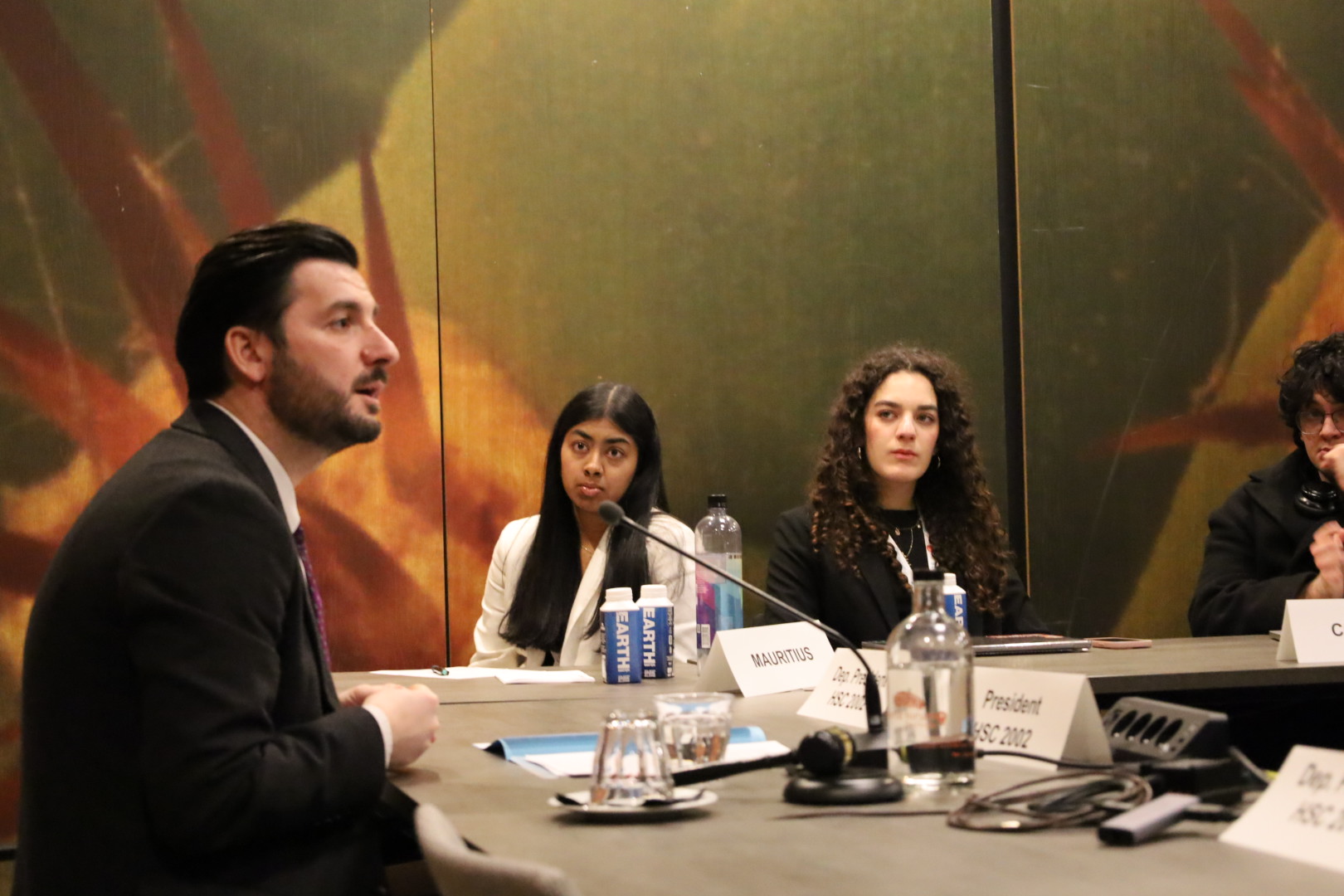
Dr. Doli said the dismantling of Yugoslavia came largely through war rather than negotiation; the war produced widespread trauma, victimhood, and resentment. The ambassador explained that many postwar leaders were, in some cases, war criminals. Dr. Doli noted that the EU and UN focused on reforming the legal system and building institutions, assuming that ethnic equality would follow; this largely did not succeed. The EU did help secure some minority rights, but the main issues remain.
Dr. Doli also noted some positive developments: Kosovo is a “model for minority rights,” boasting measures such as reserved parliamentary seats for minority groups, official bilingualism, guaranteed minority ministers and quotas in the civil service, judiciary, police and military. This contrasts with the situation of Albanians in Serbia, who hold little power.
When asked about possible solutions, he discussed using conditional EU accession to require minority protections in Serbia. He also proposed creating a special international envoy focused solely on the Preševo Valley.
Asked whether postwar societies can heal, he replied yes, but only under several conditions: victims should be recognized and respected; perpetrators, including war criminals, should be held accountable; dialogue with minority groups should be state‑supported; and the future should be based on citizenship rather than ethnicity.
The delegates, Chairs and Press thoroughly enjoyed Dr. Doli’s fascinating discussion; it no doubt inspired HSC delegates for the rest of the conference. We are very grateful to Dr. Doli for visiting THIMUN.